
Interview
London On Da Track: Transitioning From Producer to Artist
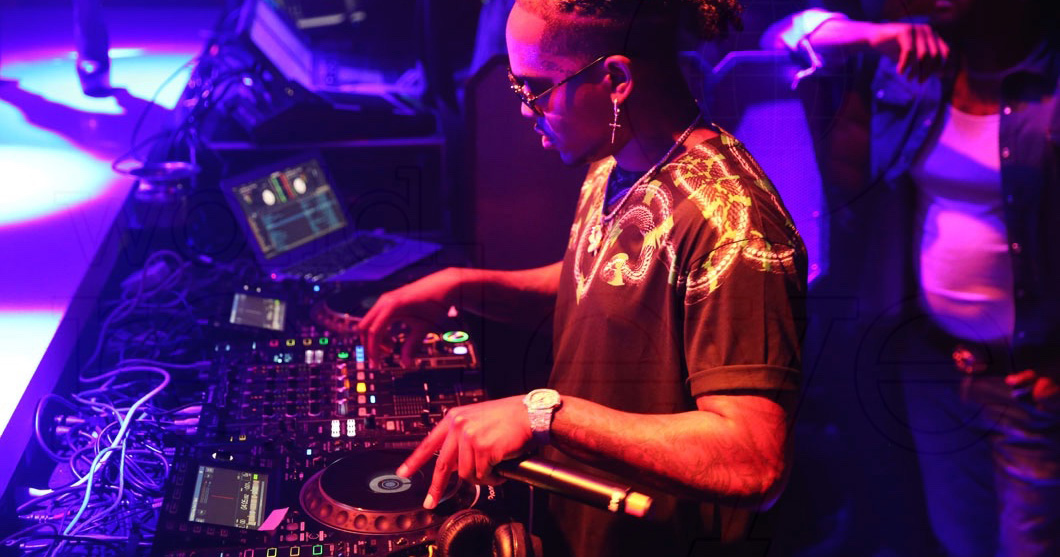
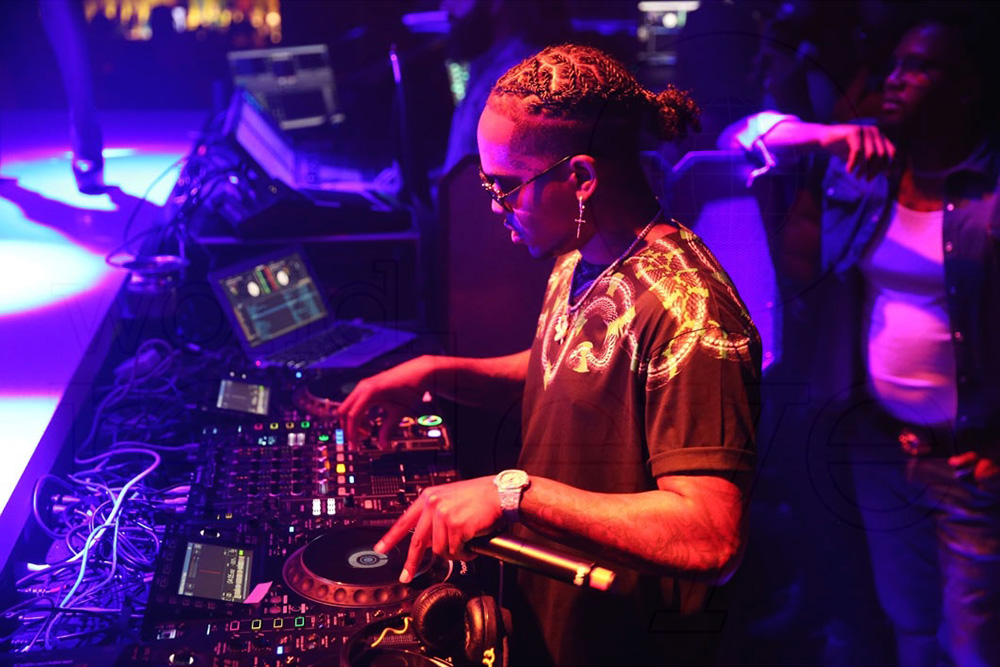
London On Da Track performs at LIV in Miami. (Photo source: RCA Records)
In August, Atlanta hip-hop producer London Holmes, a.k.a. London On Da Track, signed to RCA Records as an artist. He became the latest hip-hop producer to sign with a major label as an artist, joining the ranks of DJ Khaled, Mike WiLL Made-It, and Metro Boomin.
London, who’s 26, has been on the scene since 2011. His breakout came in 2014 when he produced a string of anthems: Tyga‘s “Hookah” featuring Young Thug, T.I.‘s “About the Money” featuring Young Thug, and Rich Gang‘s “Lifestyle” featuring Young Thug and Rich Homie Quan. All three charted on the Billboard Hot 100 at No. 85, 42, and 16, respectively.
In 2015 and 2016, London produced two more Billboard Hot 100 singles: Young Thug’s “Check” and Drake‘s “Sneakin‘” featuring 21 Savage. In 2017, when he announced his signing to RCA, London dropped his debut single “No Flag” featuring Nicki Minaj, 21 Savage, and Offset. The track, which marked London’s first collab with Nicki and Offset, became one of DJcity’s most downloaded songs of September.
London has also been performing live, in which he both DJs and raps. He played at the Hard Summer festival in August and kicked off his “No Flag” tour in September. His next stop is at Los Angeles’ influential Control party at Avalon on Friday (Oct. 27).
We spoke with London about his transition from producer to artist and asked him a couple questions about DJing.
In a recent interview with Billboard, you said that you signed with RCA because they believe in your vision. What is it?
My vision is to put together dope collaborations and show my versatility as a producer and artist. I don’t want people to think I can only do hip-hop or work with a certain type of artist. RCA believed in my vision to take it to the next level, so that’s what we’re doing!
What are the challenges of transitioning from producer to artist?
I wouldn’t say it’s a challenge, but now having full creative control is something different that I’m not used to. Sometimes as a producer, I’m not sure if a record will ever be used, but when I’m the artist, I can sign off on the vocals, artwork, the entire vision to make sure it’s what I want it to be.
Has your background as a producer influenced you as a DJ?
Definitely. I think it helps with blending the sounds and the transitions when I’m DJing.
Has DJing changed the way you produce?
I’ve only been DJing for a few months and this is my first club tour as a DJ, so I’m taking it all in and finding different ways to get the crowd hyped.
You DJ and rap during your performances. How do you balance the two?
It’s all about reading the crowd. If they are vibing with something, I’ll keep it in one lane and then transition to something else. I usually start by playing some of the hip-hop tracks I’ve produced and then transition to EDM just to change it up. My set has a lot of different moods to it, so it’s really where the crowd takes it.
I really like using Pioneer DJ’s CDJ-2000NXS2 with Serato DJ. It helps me stay creative and able to have my entire library of music with me at all times. There are times when I have to DJ with no laptop; my next choice would be rekordbox.
Do you take a different approach when you play for dance and electronic crowds?
I try to play a little bit of something for everyone. I have to play some of my classics like “About the Money” or “Lifestyle” to remind people what I’ve done, but I also try to mix it with what’s hot and current. Whenever I play my new single, “No Flag” featuring Nicki Minaj, 21 Savage, and Offset, it goes off! I love seeing that. My goal is always to keep the energy up and make sure everyone in the club has a good time. The vision is always the same: give them one hell of a show. But dance and EDM crowds are explosive, fun and unpredictable. They give an incredible energy.
Follow London On Da Track on Facebook, Instagram, and Twitter.
Related: Watch London On Da Track Explain How He Produced ‘No Flag’ Feat. Nicki Minaj, 21 Savage, and Offset
The Stereotypes’ Jerm Beats Shares Inspiring Weight Loss Journey
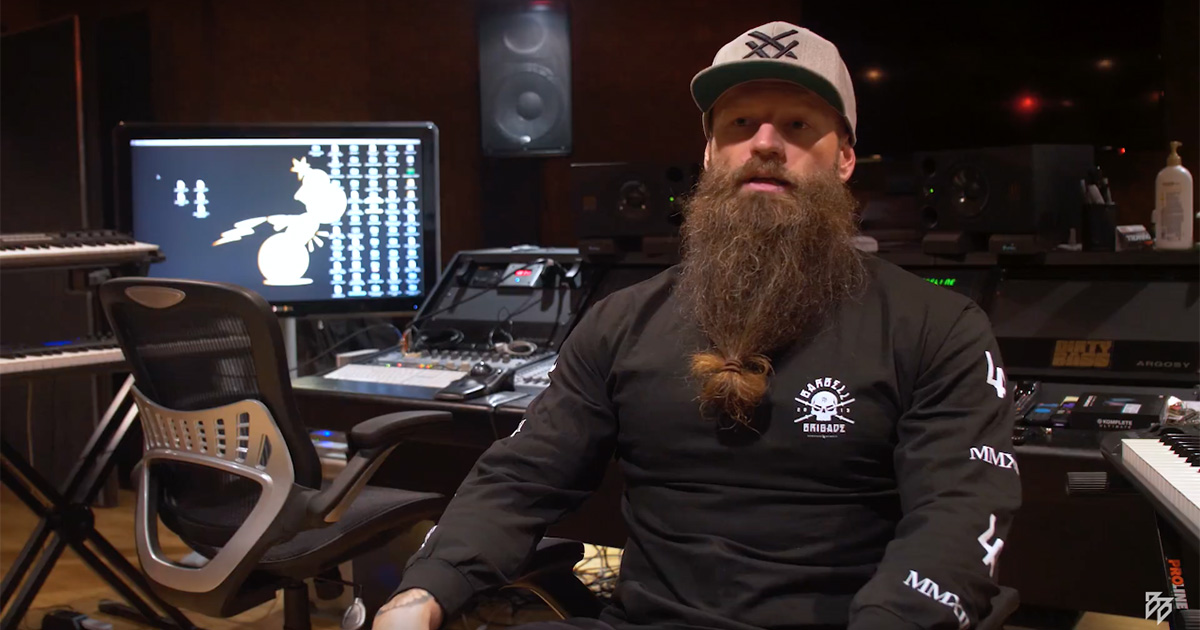
Before producing hit singles for artists like the Far East Movement and Bruno Mars, Jerm Beats had a different passion: eating. Unfortunately, his love for food led him to become obese, causing a concerned friend to reach out to him out about his weight.
That’s when Jerm, whose real name is Jeremy Reeves, knew he had to change. So he set off on an inspiring life-changing journey, all while working as a member of The Stereotypes production trio.
The Stereotypes are best known for their collaborations with the Far East Movement. The Grammy-winning crew has also worked with the likes of Justin Bieber, Usher, Ne-Yo, and Mary J. Blige. In 2016, they produced Bruno Mars’ hit singles “24K Magic” and “That’s What I Like.”
Reeves has now shared his incredible story on an episode of Barbell Brigade’s Dominate Humbly series. The series highlights the stories of influential people in weightlifting.
The Sacramento native discusses his struggles with eating, the moment he decided to change, and how he got into bodybuilding. He also gives a tour of his studio.
Watch above.
Related: How Chance The Rapper’s Manager Reimagined the Music Business
How Chance The Rapper’s Manager Reimagined the Music Business
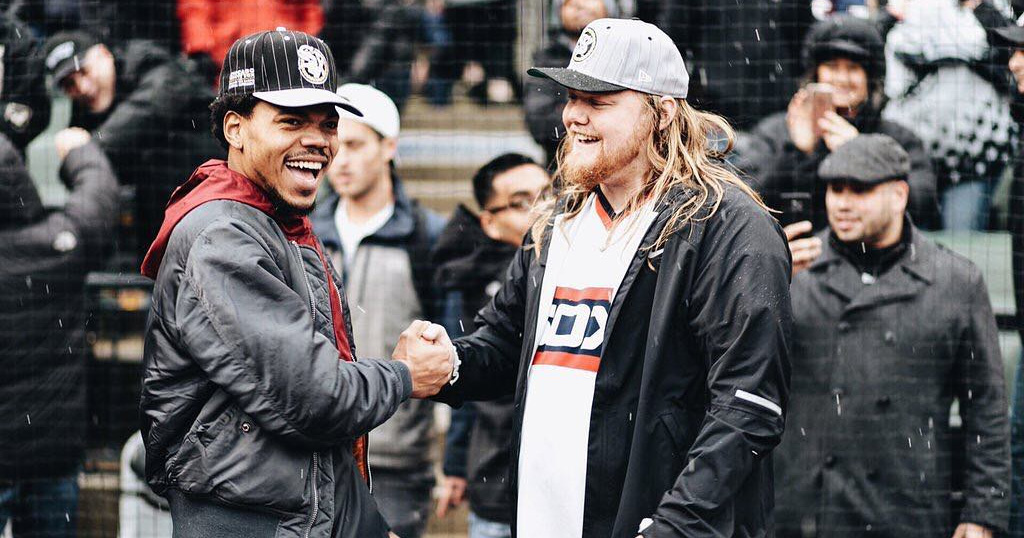
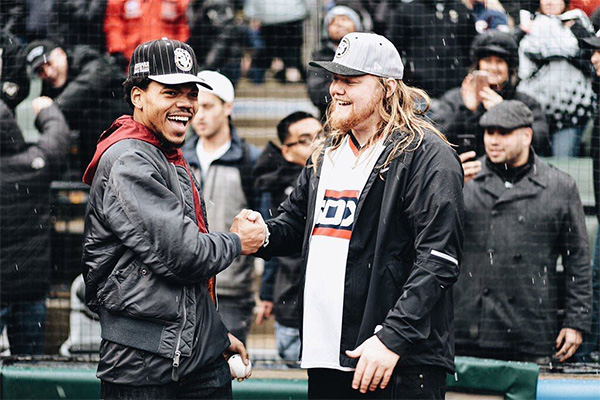
Chance The Rapper and Pat “The Manager” Corcoran at. (Photo source: Instagram)
The rise of Chancelor Johnathan Bennett, a.k.a. Chance The Rapper, is an incredible story. Without a record label or publishing deal, the Chicago native has become one of the most popular rappers in the world. His last full-length release, Coloring Book, became the first streaming-only album to win a Grammy and chart on the Billboard 200.
But, like many groundbreaking artists, Chance has a savvy and ambitious manager working behind the scenes. In a recent interview with Complex, Pat “The Manager” Corcoran provided a detailed account of how he got the job and helped steer the rapper to success. The conversation is full of valuable insights into the music industry — and life.
On the influence of his parents:
“Most kids grow up with idols like Michael Jordan or are like Kanye West. For me when I grew up, my parents were my idols. My dad was always just incredible. The first thing I remember him teaching me about was reputation. … My dad would always drill into us like, your reputation is everything,’you know. It’s what proceeds you and it’s what people are gonna know about you after you’re gone.”
On his management style:
“I wasn’t in the position or in the role of saying like, yes or no to people [at label meetings]. It was more of like just being there for Chance and helping him filter this … [I’m] a guy who’s like, ‘yeah, I got your back, but at the end of the day I want you to make a decision for you, what’s right for you and your family …”
On not being signed to a label or publisher:
“There wasn’t really one conversation that I can recall where we just said ‘we’re not gonna do it’ or he said ‘I’m not gonna do it.’ It was just sort of the unspoken conclusion, like, this is not gonna work for us. We’re feeling this roll already. We don’t need the help of a major label.”
On their decision to release Coloring Book exclusively on Apple Music:
“We spoke with everyone: Tidal, SoundCloud, Spotify, Apple Music, even smaller streaming services like Audiomack. It was sort of like taking meetings as a high school all-star athlete and going to different colleges and seeing who’s gonna care about us the most and who’s going to help put us in the right position to win and succeed and have a great career in the majors. At the end of the day we went with the company that believed in Chance most … it wasn’t about the money. It was about the people inside that building …”
His advice to others:
“I didn’t know shit about [the music industry], and to be able to do and experience the things that I’ve done and experienced in this short amount of time in the game has been incredible. I just hope what more people do what calls them. Who knows what can happen.”
Watch the full conversation below.
Related: Brasstracks Discuss How They Produced Chance the Rapper’s ‘No Problem’
Watch DJ Vice and George Lopez Go on a Taco Run
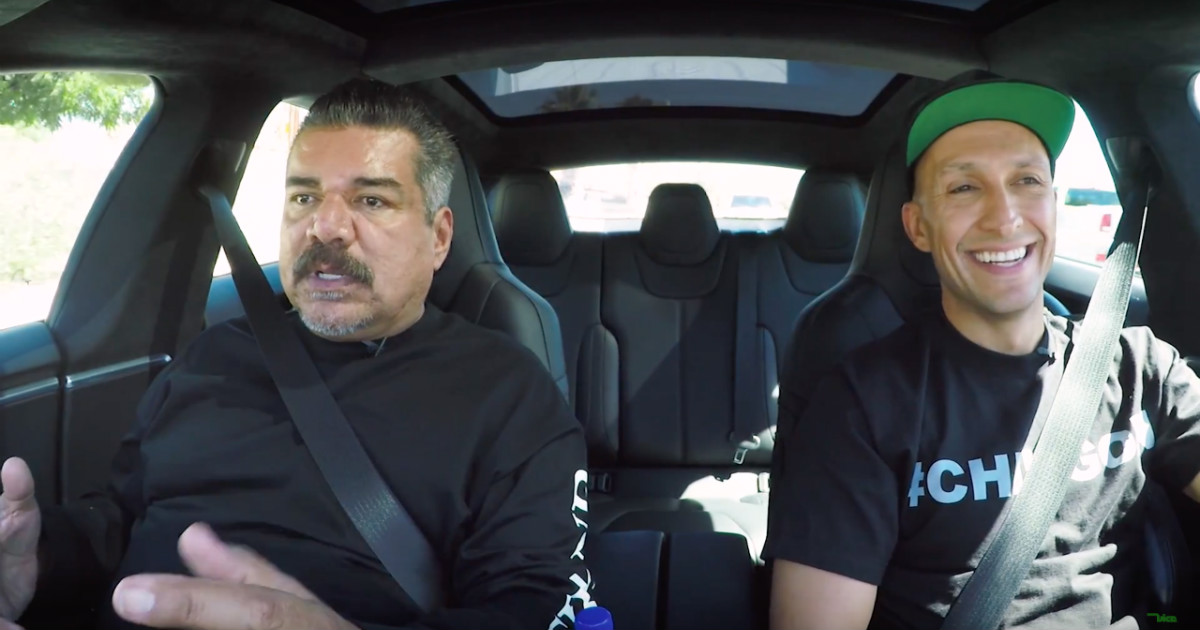
DJ/producer Vice is back with a new episode of his Electric Taco series, this time featuring comedian and actor George Lopez. The Los Angeles native discussed the early days of his career in comedy, taking up golf, and his friendship with Prince. He also shared some life advice.
Watch as the two catch up and make their way to Lopez’s restaurant Chingon Kitchen in Highland, California.
Watch: A-Trak Reflects on His Career and Performs a Routine at Serato
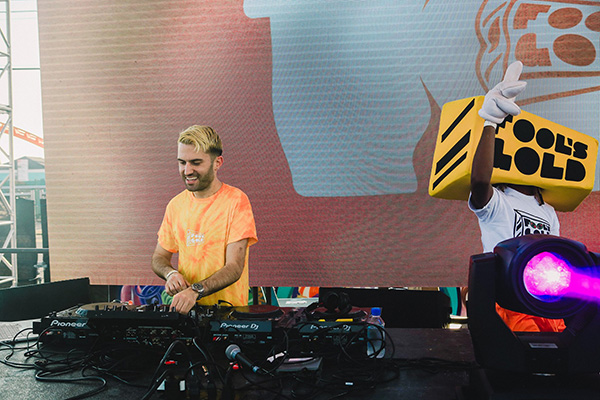
A-Trak at Coney Art Walls in New York City. (Photo Credit: Mel D. Cole)
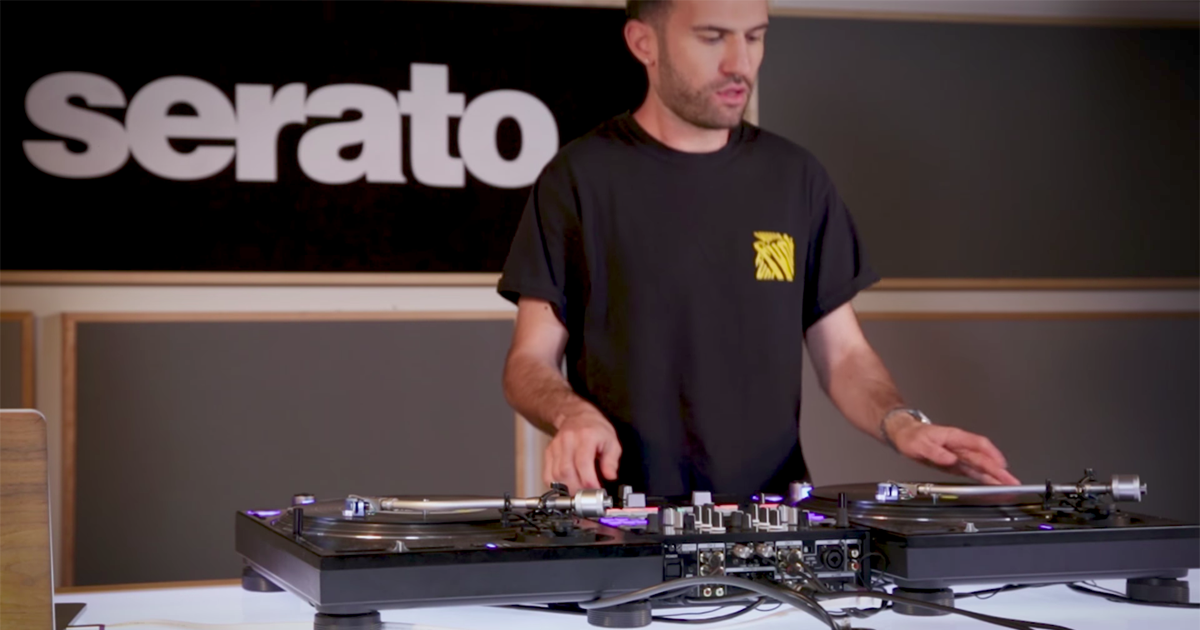
Following the success of his Goldie Awards DJ and producer battle in September, A-Trak sat down with Serato to reflect on his career. The Fool’s Gold chief also performed a routine using his single “Believe” featuring Quavo and Lil Yachty.
The seven-part interview series is broken down into the following topics:
– Starting off as a turntablist
– When he learned how to rock parties
– How he discovered Serato
– Where he gets his inspiration from
– Why he improvises his sets
– His evolution as a producer
– Why he launched the Goldie Awards
Watch the interview series and routine below.
Related: Watch A-Trak Explain How He Produced ‘Believe’ Feat. Lil Yachty and Quavo
Kid Capri on What It Means to Be a Real DJ
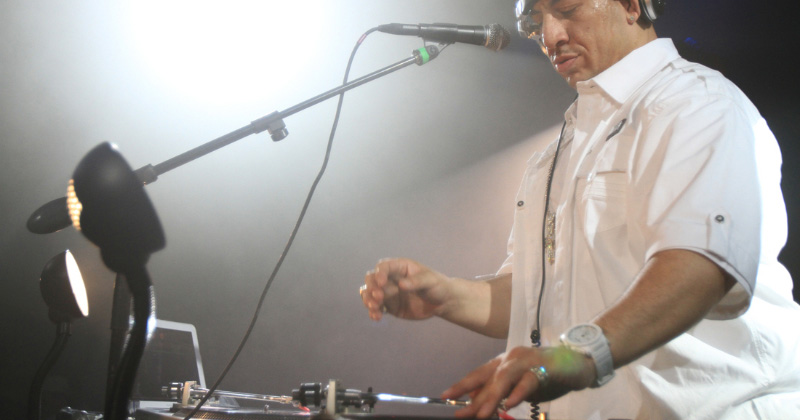
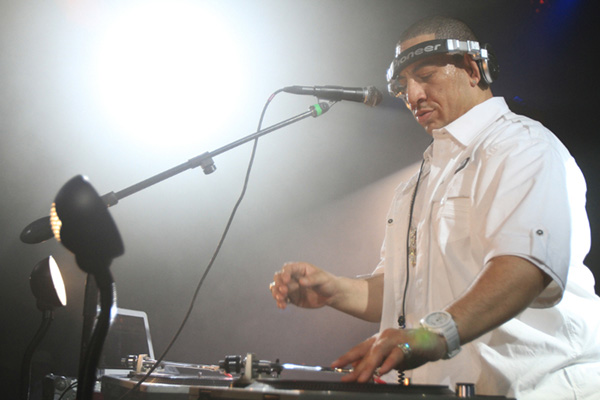
Kid Capri performs live. (Photo source: kidcapri.com)
Legendary hip-hop DJ Kid Capri was a guest on Hot 97’s Ebro in the Morning show on Monday. The Bronx native, who’s credited with popularizing mixtapes in the ’80s, discussed the current state of DJing and hip-hop. He also reflected on some of his career’s greatest moments, like receiving a shout out from The Notorious B.I.G. on “Juicy” and contributing to Kendrick Lamar‘s DAMN. album.
When asked about what it means to be a DJ, Capri had plenty to say.
“My focus is to make sure I’m the best thing they’ve ever seen, and it doesn’t matter to me if this guy that’s coming on before me or after me has a platinum record and he’s the biggest guy. … And that’s the focus, to make sure that these people say, ‘Kid is the greatest I’ve ever seen.’ And that’s it. And that’s what real DJs are supposed to do. [They’re supposed to] come in there and make sure that everybody’s happy and be able to step out of the box and be good at it, where you not just playing one type of music. You’ll be able to play for anybody anywhere.”
Capri went on to give a personal example of “playing to the crowd.”
“When I did Khloe Kardashian’s wedding with Lamar [Odom], I knew that they was Armenian. So I went in, and I played the top Armenian records, and the whole place just shook. It was crazy to see how these people were so happy to hear this music because they didn’t think I knew it. But that’s the job you gotta have anywhere. When you go to Japan, you go to Haiti, you go to all these different places, they like our thing but what about what they do? When you got a place like Texas, they have so much Texas music that never get heard on the radio that doesn’t go anywhere. But when you come from New York, and you play that type of music, the first thing they saying is, ‘damn, how he knew that?’ And it drives them nuts, so and that’s what it is, it’s about knowing your job, knowing that it’s not about just MP3s. It’s about going out there, making sure every state is taken care of as if you’ve lived it and that’s what I do.”
Watch the full interview below.
Related: Watch DJ Premier’s Tiny Desk Performance and Genius Interview
Popular
-
December 12, 2025
Is AI coming to kill DJing? Or make it better? Checking out 3 new software updates
Artificial Intelligence has played a significant role in DJ software for some time now, with machine learning being used to enable features like stem separ...
-
December 9, 2025
Top 30 REMIXES of 2025 🎛️

Last week, DJcity revealed its most downloaded tracks of 2025. Today, we dive deeper to uncover the most popular remixes, bootlegs, and edits of the year...
-
December 4, 2025
R.O.A.D. Podcast – LAIDBACK LUKE: Calling Out Pre-Recorded Sets And Discovering Avicii
This week on @RoadPodcast, the crew sits down with @LaidbackLuke for a rare deep dive into his Vegas roots, the peak of EDM, and what keeps him inspired af...
-
December 8, 2025
Top 50 Tracks of 2025 🏆

Here is DJcity’s annual chart of the top 50 most downloaded songs of the year. The list was determined by subscriber downloads (the tracks are not DJcity’s...
-
November 12, 2025
Black Friday 2025 Sale: 2 Months FREE With Promo Code

🚨 DJcity's 2025 Black Friday Sale is Here DJcity just dropped its biggest deal of the year! For a limited time, you’ll get two extra months free when you s...
-
December 12, 2025
🆕 Music From Ty Dolla $ign, Disco Lines, Pooh Shiesty, Don Diablo + More!
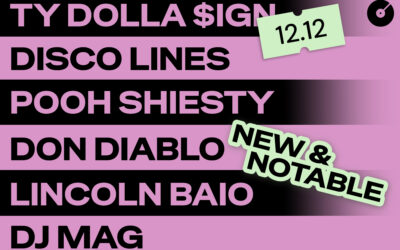
Notable tracks that were added to DJcity this week. Download them all here. Download the tracks below. (* indicates DJcity Exclusive) DON'T KILL THE PARTY...
-
December 1, 2025
DJcity’s Holiday Tracks 2025 🎄❄️

Holiday season is officially here, and we’ve checked it twice. The DJcity Holiday Playlist features festive remixes, fresh edits, and seasonal favorites de...
-
May 3, 2021
Must-Play Tracks for Cinco de Mayo 2021
DJcity has put together a list of Latin edits, remixes, and bootlegs for your Cinco de Mayo DJ sets. The list includes 12 DJcity Exclusives. Check it out b...
-
December 8, 2025
“Consistency is more important than talent…” Inside The Edit with DJ Sir Marcus of The Tall Boys

The Beatsource DJ Exclusives program has been 20 years in the making. It’s built around an entirely new, never been done licensing model, and means that DJ...
-
May 23, 2023
The Best Remixes for Wedding DJs 2023

*** UPDATE: check out our updated 2024 and 2025 playlists! Wedding season has arrived! DJcity’s Remix Director Sir Marcus has put together a list of...