
Videos
Beatport and Beatsource to Unite Into One Premium DJ Platform
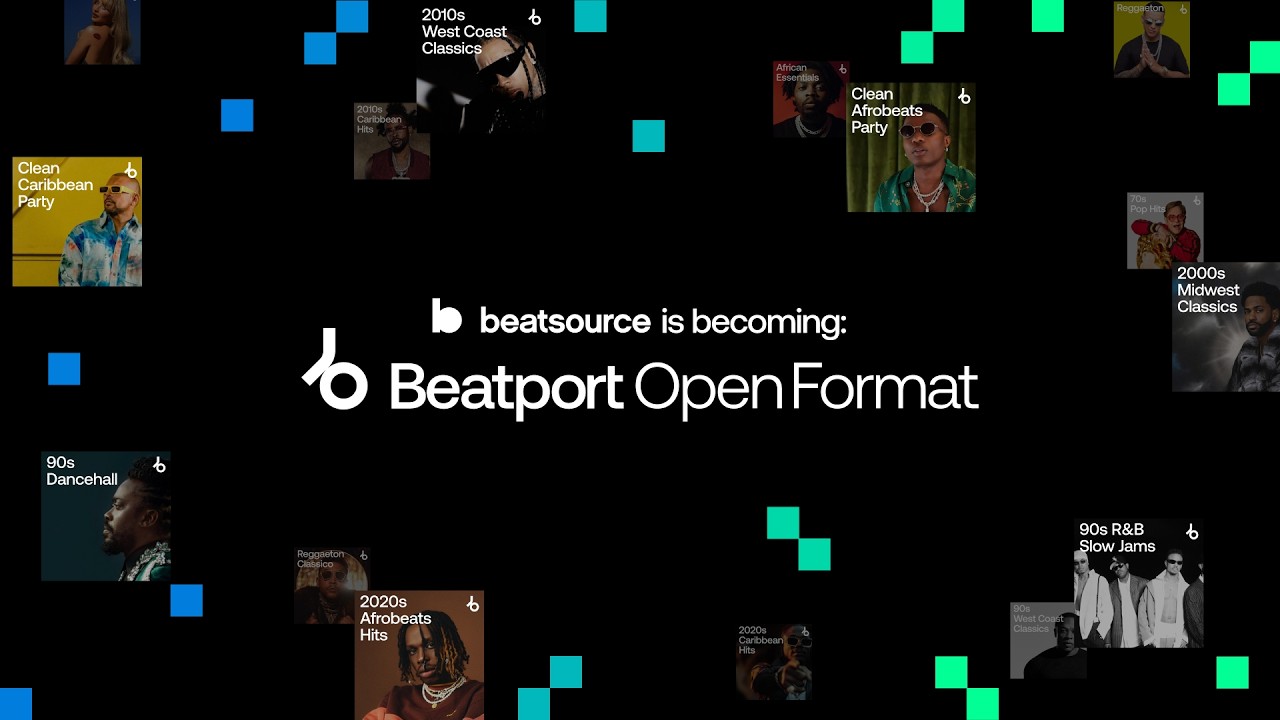
Beatport is leveling up its global DJ ecosystem with the announcement that Beatsource will officially be integrated into Beatport, bringing both platforms together into a single premium destination built for discovery, curation, and performance.
Starting March 2026, Beatsource subscribers will begin transitioning to Beatport through a guided migration process rolling out over the coming months. Once complete, DJs will access their accounts entirely through Beatport, combining Beatsource’s expertly curated open-format catalog with Beatport’s deep electronic music library under one roof.
The result: one streamlined platform connecting hip-hop, pop, Latin, rock, and open-format essentials alongside the world’s largest electronic music ecosystem, designed to support DJs everywhere from crate digging to peak-time performance.
“We’re raising the bar for what a premium DJ service should be,” said Beatport CEO Robb McDaniels, highlighting the goal of delivering a unified experience that pairs trusted curation with unmatched musical depth.
What this means for Beatsource users:
The transition is designed to be seamless, with key account features moving directly into Beatport, including:
Same login credentials
Playlists Active streaming plans
Purchase history (transferred as playlists)
Existing subscriptions will also carry over:
Beatsource ($12.99/month) → Beatport Advanced
– Price honored for three months after transfer, then renews at $15.99/month
Beatsource Pro+ ($34.99/month) → Beatport Professional+
– Monthly pricing remains unchanged
When will this migration be taking place?
On Tuesday, March 3, Beatsource will officially begin its migration process. The migration is being rolled out in phases. The best way to check your eligibility is to log in to your account at Beatsource.com. If you aren’t eligible yet, don’t worry, we are moving quickly. Keep an eye on your inbox for a personal invitation or check back periodically for updates.
We’ll be coming out with a step-by-step guide to help you through the process of transferring over your existing Beatsource library and playlists, so watch this space.
After migration, access to Beatsource as a standalone platform will sunset, with all services continuing through Beatport.
The integration marks a major evolution for The Beatport Group, bringing its DJ communities closer together and creating a single, future-focused platform built to power DJs across every genre and every dance floor.
Related Post: Serato DJ Pro for the Rane SYSTEM ONE is here, and this is why it matters
Serato DJ Pro for the Rane SYSTEM ONE is here, and this is why it matters
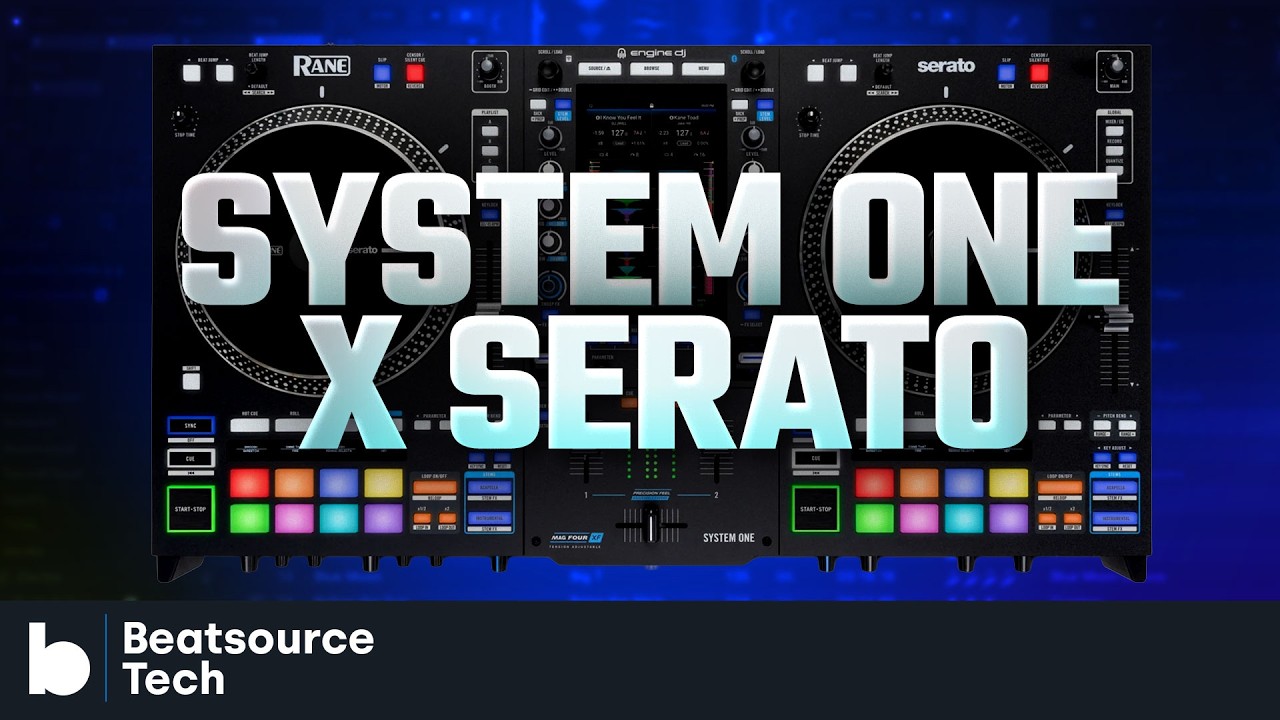
Around a month after the Rane SYSTEM ONE was released, the new version of Serato DJ Pro has just been released for it. That’ll be followed soon by Algoriddim’s djay Pro, and Virtual DJ.
Some DJs might wonder why adding software support is so imporant for a device like the SYSTEM ONE, which is focused around the onboard Engine OS standalone experience, but in the new episode of Beatsource Tech, Mojaxx breaks down all the reasons why it matters.
Check out Mojaxx’s discussion of Serato DJ Pro for the Rane SYSTEM ONE on DJcity TV.
Related Post: Reloop FLUX GO Review – Bargain of the year?
Reloop FLUX GO Review – Bargain of the year?
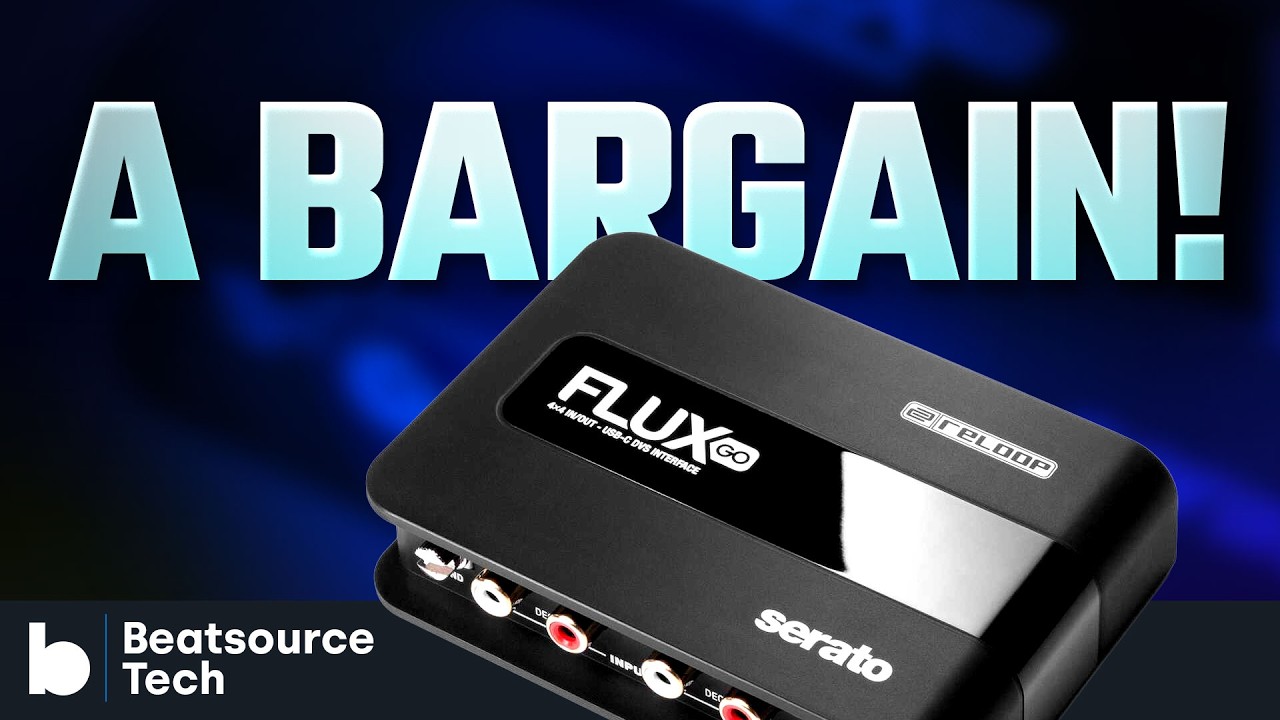
The Reloop FLUX answered a lot of prayers when it launched in 2023, being, as it was, the first audio interface for Serato’s DJ Pro software released in quite some time.
With that first one, Reloop went all in, with 3 channels, and a bunch of extra features, all of which bumped the size, and price up. Now, we have the FLUX GO, a more compact, 2 deck version, for barely more than half the price of the original.
On the new episode of Beatsource Tech, Mojaxx checks out the GO, and finds out if just covering the DVS basics, with all software, is enough.
Check out the Mojaxx’s review of the FLUX GO from Reloop on DJcity TV.
Related Post: Lasercube Ultra MK2 Review – Major Laser?
R.O.A.D. Podcast – THE STEREOTYPES: Crafting Hits For Bruno Mars and Justin Bieber
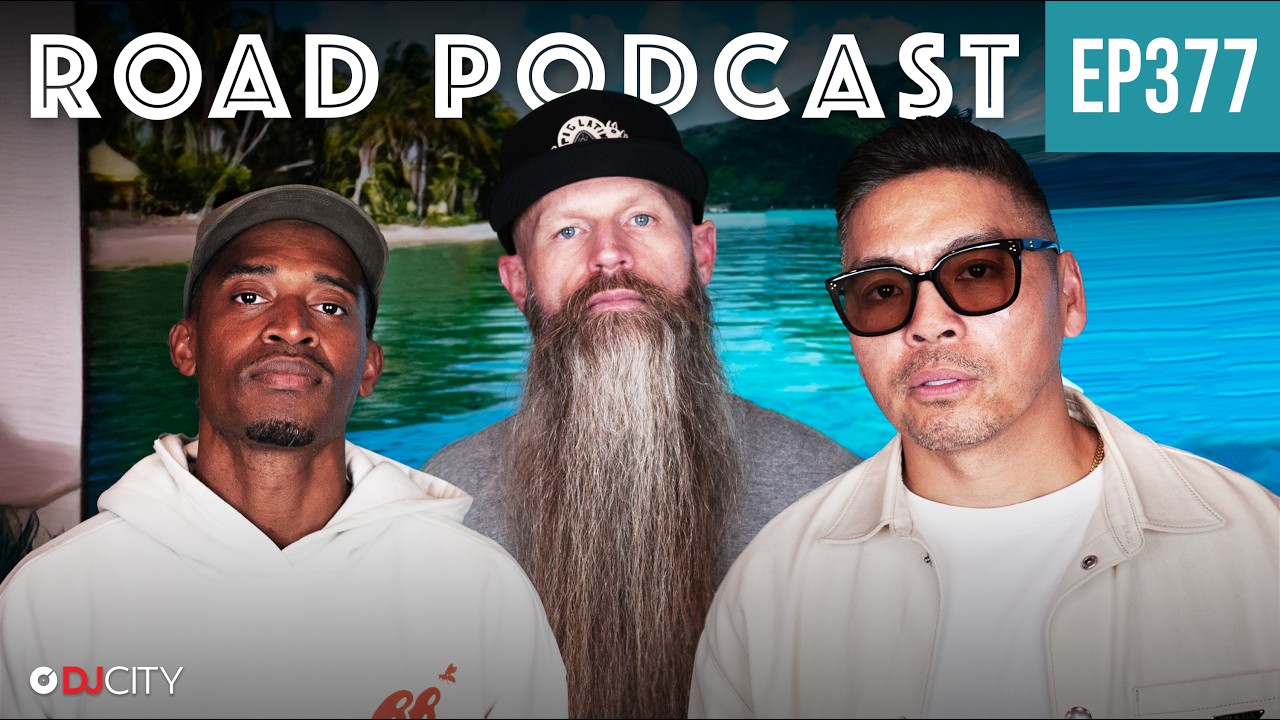
This week on @RoadPodcast features an in-depth conversation with The @StereotypesTV (@JonYip + @JermBeats + @RayRomulus), charting their rise from interns and studio rats to Grammy-winning producers behind era-defining records.
Crooked opens by giving them their flowers as true DJ “life savers,” praising their ability to balance vibe, storytelling, and music that unites people in the middle (02:33), before Ray reflects on growing up in New York, interning at Bad Boy and Def Jam, and learning the industry from the ground up (05:23). They tell the full story of “Damage” by Danity Kane, from ballad to hit, including seeing it on Making The Band and hearing it play at Guitar Center while they were still broke (35:26).
The conversation moves into their relationship with Far East Movement and Bruno Mars, leading to a detailed breakdown of 24K Magic, Finesse, and the writing process behind records like “That’s What I Like” and “Chunky,” plus how adding Cardi B turned “Finesse” into a mega hit (44:30). They also touch on uncredited work, publishing lessons, career slowdowns, and behind-the-scenes realities, from studio grind to IRS stress and finally winning Grammys after years in the trenches (1:04:55).
The episode closes with optimism about new music, future collaborations, and why 2026 is shaping up to be a special year (1:34:01).
Follow the R.O.A.D. Podcast on Facebook, Instagram, Twitter, and YouTube.
Related Post: R.O.A.D. Podcast – HICKIES + DRYHUMPS: A SoCal Party That Became a Filipino Movement ft. Esentrik
R.O.A.D. Podcast – HICKIES + DRYHUMPS: A SoCal Party That Became a Filipino Movement ft. Esentrik
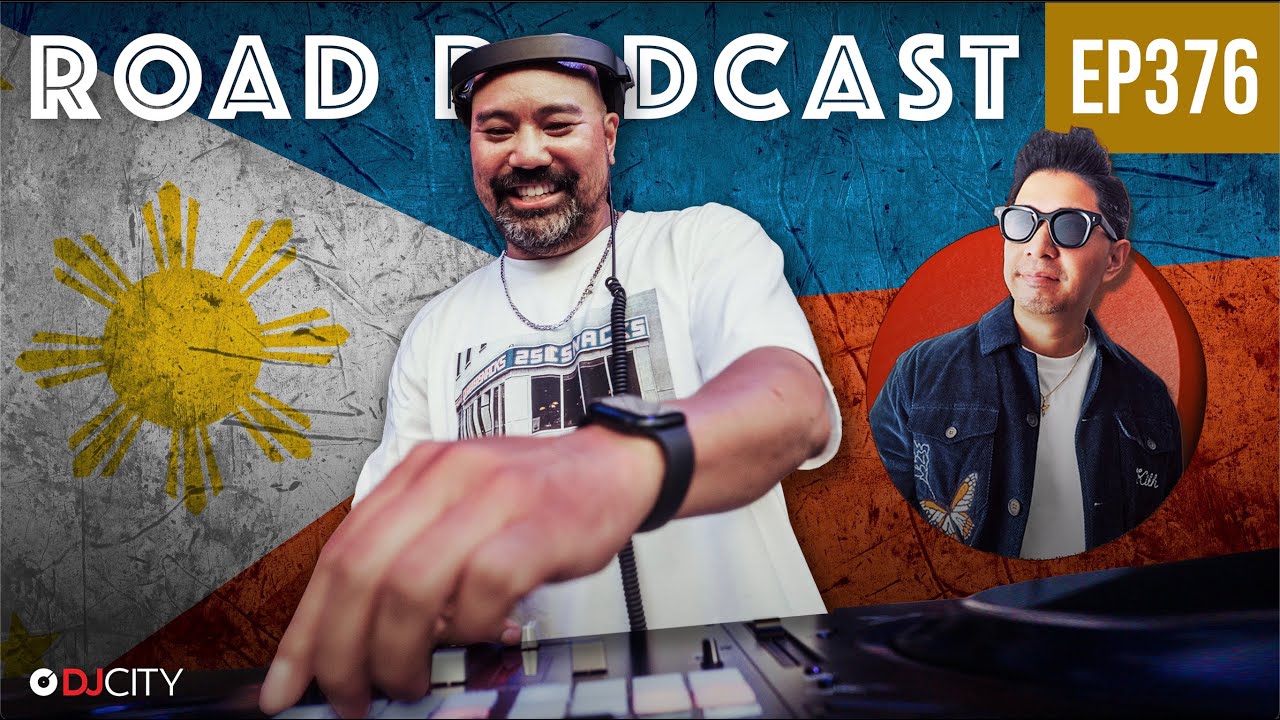
This episode of Road Podcast features @JulzDelaPena and @Esentrik breaking down how real DJ careers evolve, from Julz getting into weddings and understanding presentation (02:05). The conversation touches on the reality of DJ promo culture, online bravado, and mentorship (07:03).
The crew then speaks on DJ friendships, leaving retail to focus on parties, and changing economics (10:10). Julz revisits the roots of @HickiesAndDryhumps, why the party originally felt like a house party, and how moments like @MilesMedina and @JustBlaze pulling up after the Goldie Awards shaped its growth (25:07), before diving into Filipino classics and the quiet influence of Filipino DJs in nightlife (29:01).
The crew then talks about San Diego’s venues, DJ unity, and why the city’s crowds feel more receptive and fun than Hollywood (47:59). Esentrik explains his showcase style of DJing and crowd reading (57:01).
The episode closes with viral Seafood City DJ pop-ups (1:15:01), shrinking DJ rates, and promotion strategies (1:25:01).
Follow the R.O.A.D. Podcast on Facebook, Instagram, Twitter, and YouTube.
Related Post: R.O.A.D. Podcast – DJ SNIPS, KARL BRISSEAUX, SVPPLY & MOOCHIE: How Vinyl DJs Redefined NYC Nightlife
R.O.A.D. Podcast – DJ SNIPS, KARL BRISSEAUX, SVPPLY & MOOCHIE: How Vinyl DJs Redefined NYC Nightlife
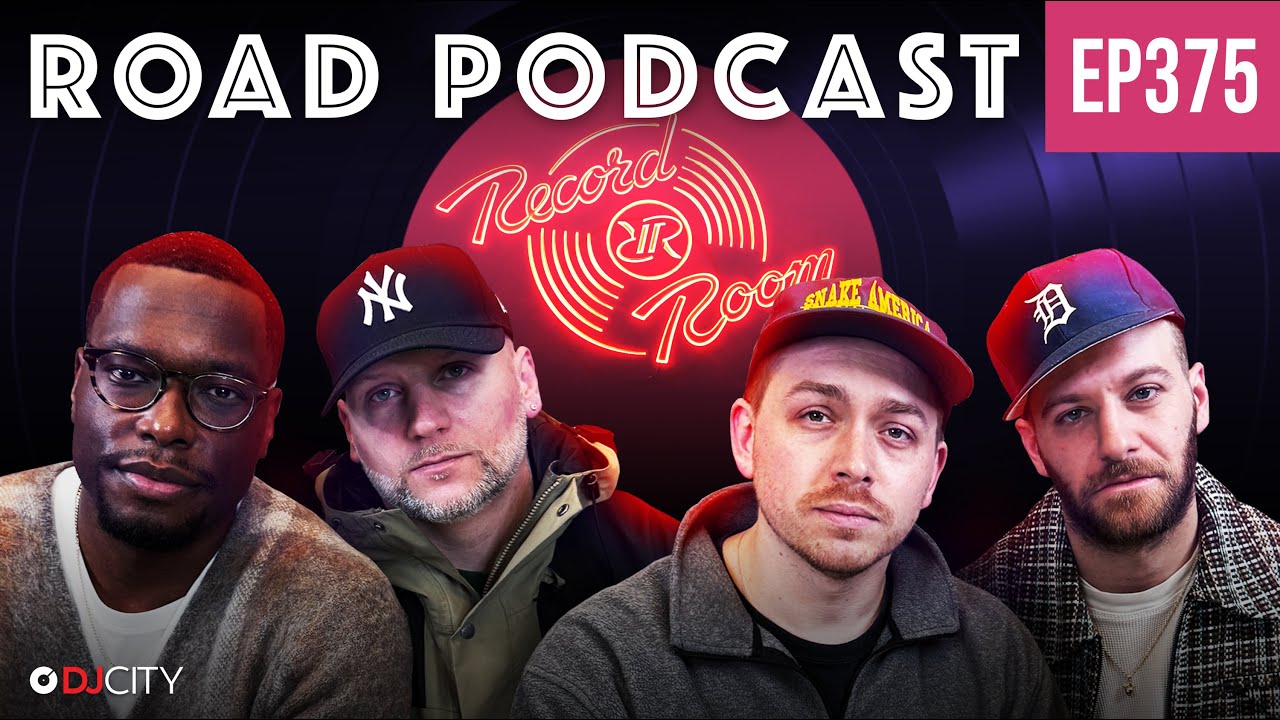
This week on @RoadPodcast, the crew sits down with @Moochie, @DJSvpply, @Snipsmusic, and @KBrissy to talk about @RecordRoom and vinyl parties.
The episode begins with Crooked reflecting on his first time attending Record Room and what immediately stood out (03:20), before the crew breaks down why vinyl sets earn more trust from audiences, from the visual curiosity of watching a DJ work to the difference between a DJ and a vinyl selector mindset (12:40). They explore why letting songs play longer works better in today’s shortened attention economy , the origins of Record Room and NYC’s Sway era, and the early days of Suede, including the choice to identify as vinyl DJs in 2025 (18:50).
The conversation dives into why R&B sounds so good on vinyl, the importance of bridges, nuance, and letting records breathe, even at prime time (32:30). From there, the crew talks about party arcs, creative limitations, building crowds that trust DJs enough to book weeks ahead, and competing with couches instead of clubs (53:40).
The episode closes with reflections on NYC nightlife legacy (1:03:10), curating an authentic New York experience (1:13:01), the cost of vinyl (1:21:05), rocking parties without obvious hits, and the personal relationships DJs have with their records (2:02:01).
Follow the R.O.A.D. Podcast on Facebook, Instagram, Twitter, and YouTube.
Related Post: R.O.A.D. Podcast – BUCKWILD: On Producing for Biggie, D.I.T.C., and Shaping the NY Sound
Popular
-
April 28, 2026
Latin Energy, Locked In for Cinco de Mayo
Whether you’re opening, headlining, or bouncing between genres, these Latin playlists give you room to move. DJcity has you ready for Cinco de Mayo with pl...
-
May 1, 2026
The GOAT Laptop Stand Returns! Crane Stand Plus Review

The Crane Stand was a game changer back in the early 2010s, when most DJ laptop stands were, frankly, underwhelming. After a long time away, it’s back, in...
-
April 27, 2026
📊 Top Global Downloads of April 2026

DJcity’s April 2026 download charts highlight the most popular tracks globally, alongside regional breakdowns across key markets – including charts for Lat...
-
June 24, 2025
🏆 The Best DJcity Tracks of 2025 (So Far) 🔥
Best of 2025 (So Far): DJcity’s Most Downloaded TracksOriginals + Remixes & Edits We’re halfway through the year, and it’s time to spotlight the tracks...
-
April 23, 2026
R.O.A.D. Podcast – DJ HABIBEATS: The Palestinian Pioneer of Arabic Club Music
In this episode of the ROAD podcast, the crew welcomes @DJHabibeats for a deep dive into his meteoric rise and the evolution of the global Arab club scene...
-
May 1, 2026
🆕 This Week’s Must-Play Tracks From Sabrina Carpenter, Skrillex, Asake, Justin Bieber + more!

This week’s notable adds on DJcity to power your weekend DJ sets DOWNLOAD ALL This week’s picks include: (* indicates DJcity Exclusive) Bring Your Love - M...
-
April 16, 2026
Who Does Stem Separation for DJs Best? All DJ Platforms Compared (2026 Edition)
Real-time stem separation has been a transformative technology for many DJs and producers in recent times. Back in the 90s, the very concept would have see...
-
April 24, 2026
🆕 This Week’s Must-Play Tracks From Kehlani, USHER, Topic, Becky G + more!

This week’s notable adds on DJcity to power your weekend DJ sets DOWNLOAD ALL This week’s picks include: (* indicates DJcity Exclusive) Shoulda Never - Keh...
-
May 23, 2023
The Best Remixes for Wedding DJs 2023

*** UPDATE: check out our updated 2024 and 2025 playlists! Wedding season has arrived! DJcity’s Remix Director Sir Marcus has put together a list of...
-
April 24, 2026
GLOW UP! Ape Labs Neon Pix Tube Review

The use of pixel tubes as an eye-candy lighting effect is one of the big trends in the mobile, wedding, and private event DJ scenes at the moment. German m...