
DJ Culture
R.O.A.D. Podcast – DON DIABLO: The Visionary of Future House on Imposter Syndrome & Humanizing A.I.

This week on @RoadPodcast, the crew sits down with future house pioneer @DonDiablo for a deep and personal conversation. At 01:55, Don talks about running on little sleep before his Pier 19 show and why NYC remains his biggest market. By 06:55, he explains why he avoids repeating sets, preferring Tomorrowland’s smaller, darker stages over the main stage. At 12:20, Don reflects on his teenage years in the Dutch scene, from being taken advantage of as a young producer to being labeled a “weirdo” by peers. He admits that sometimes he hates being Don Diablo, finding true acceptance only through his fans. At 18:10, he recalls his production roots and the joy of creating purely for fun. By 24:55, the tone shifts as Don shares a powerful story about his father’s illness, the lessons from their final conversations, and how this shaped his outlook on time, purpose, and music. He recalls writing songs like “The Artist Inside” as a tribute to his father, and performing it at his funeral, the most difficult moment of his career. At 37:55, Don speaks on the therapeutic nature of songwriting, before offering his perspective on AI at 44:01, viewing it not as a threat, but as a tool to make creativity even more human. Closing out at 1:01:44, Don dives into his Hexagon label, the video for “Anytime”, and the contracts he gave artists. At 1:05:01, he shouts out @BeatsourceOfficial, and at 1:18:45, leaves us with a quote to remember: “The devil works hard, but the DJ works harder.”
Follow the R.O.A.D. Podcast on Facebook, Instagram, Twitter, and YouTube.
Related Post: R.O.A.D. Podcast – DJ TRAUMA: From ATL to Dave Chappelle, Navigating the Celebrity DJ Scene
R.O.A.D. Podcast – DJ TRAUMA: From ATL to Dave Chappelle, Navigating the Celebrity DJ Scene

This week on @RoadPodcast, the crew sits down with @DJTrauma to reflect on his journey from New York to Atlanta and beyond. At (00:55), Trauma recalls growing up in Manhattan and how his DJ name came from a friend’s little brother. By (04:30), he’s reminiscing about partying in the Meatpacking District and what it meant to be “outside.” He explains what it means to be a “vibe DJ” (07:15). He compares the craft of DJing to stand-up comedy (10:35). Trauma then shares how a free event unexpectedly led him to working with @DaveChappelle (12:52), and a relationship that grew into legendary gigs like First Avenue in Minneapolis and Radio City Music Hall in NYC (15:56). The conversation dives into Trauma’s reputation as “Chappelle’s DJ” (30:01), @PhifeForever performing at his 21st birthday, and the rise of Atlanta’s unified scene with @Outkast, @GoodieMob, and @JermaineDupri (34:40). He speaks on the epic Freaknik parties (45:55), the power of ATL DJs (1:03:40), and throwing LA house parties where @mr_Camron once performed in his living room (1:20:20). Trauma also reflects on early trips to Africa, how Chappelle’s Retreat and Summer Camp shaped his career (1:35:01), and why soulful events like Soul in the Horn keep him grounded in the music that matters.
Follow the R.O.A.D. Podcast on Facebook, Instagram, Twitter, and YouTube.
Related Post: R.O.A.D. Podcast – WALSHY FIRE: On Major Lazor, Black Chiney, & ‘The Art Of Dancehall’
R.O.A.D. Podcast – WALSHY FIRE: On Major Lazor, Black Chiney, & ‘The Art Of Dancehall’

This week on @RoadPodcast, the crew sits down with @WalshyFire — DJ, producer, and member of @MajorLazer — to talk Dancehall, Soca, and the art of building culture. At 01:34, Walshy recalls meeting @DJMoma and why Soca faced resistance in the ’80s–’90s. By 05:10, he’s breaking down the pushback against Soca and Afro Beats, and Soca’s joyful contrast to other genres. He dives into NYC’s gang culture and block party memories (07:10), including a near brawl at a LOX performance diffused by dancers (10:12). The crew swaps stories on “banned” songs in late ’90s NYC and venue violence, with jokes about the Queens vs. Brooklyn rivalry (11:33). Walshy shares his path from Clark University and a jazz radio station to NYC and Beat Street Records (14:55), then joining Black Chiney Sound after a career-making gig (28:45). He reflects on classic riddim productions, lessons from Sean Paul, and supporting both grassroots parties and major festivals (46:01). The crew debates the state of Dancehall today (53:55). They discuss the struggle to find venues for independent parties (1:01:00) and positive changes in club culture (1:02:25). At 1:05:33, Walshy recounts going viral for declining a request, leading to a larger talk on post-pandemic etiquette and handling entitled guests (1:13:50). He closes with his new book Art of Dancehall, life in Major Lazer, and upcoming releases (1:23:01).
Follow the R.O.A.D. Podcast on Facebook, Instagram, Twitter, and YouTube.
Related Post: R.O.A.D. Podcast – RASHAD SMITH (Pt 2) : Bad Boy’s First Hitman & Fallout With Biggie
Beatsource Has Just Changed EVERYTHING | Explaining The DJ Exclusives Program

Beatsource recently launched its DJ Exclusives program, which has been 20 years in the making. It’s built around an entirely new, never been done licensing model, and means that DJs can access the types of remixes and edits which have previously only been found on record pools, but in a way which ensures both the original rights holders and the DJs themselves get fairly compensated for their work.
On the new episode of Beatsource Tech, Mojaxx explains what the DJ Exclusives program is, and how it all works.
Check out DJ Exclusives here: https://www.beatsource.com/genre/dj-exclusives/11
Related Post: 📣 The Biggest Serato Update EVER! | Serato DJ Pro 4.0.0 Public Beta
LOS ANGELES DJs: Get Hands On With The New Serato DJ Pro 4.0

Serato DJ Pro 4.0 Has Arrived – Join Us in LA to Experience It Firsthand
Discover the biggest Serato update yet in an exclusive in-person event with the Serato team, Beatsource, and DJcity!
Space is limited and RSVP required. Hit the link below to secure your spot.
Related Post: 📣 The Biggest Serato Update EVER! | Serato DJ Pro 4.0.0 Public Beta
R.O.A.D. Podcast – RASHAD SMITH (Pt 2) : Bad Boy’s First Hitman & Fallout With Biggie

n Part 2 of our deep dive with legendary producer @Rashad_Ringo_Smith, the @RoadPodcast crew uncovers even more behind-the-scenes stories that shaped the sound of hip-hop and R&B.Rashad kicks things off by breaking down the making of the iconic “One More Chance” and its different versions (00:01), before opening up about the intense, high-stakes creative process at Bad Boy Records under the direction of @Diddy (09:01). He reveals how the classic “Bad Boy” sound came together — especially the blend of vocal powerhouses @theRealFaithEvans and @theRealMaryJBlige, which helped redefine R&B (20:03).He shares the wild backstory behind LL Cool J’s “Doin It” — a track originally made for Biggie — and the behind-the-scenes fallout with Puff and B.I.G. when it landed elsewhere (27:21). The crew dives into LL’s catalog and legacy (50:34), before Rashad reflects on his creative connection with @QTipTheAbstract and his work with A Tribe Called Quest (54:22).Wrapping things up, Rashad talks about collaborating with @Nas and @50cent, and reflects on the moment that stands out most in his legendary career (1:30:01).
Follow the R.O.A.D. Podcast on Facebook, Instagram, Twitter, and YouTube.
Related Post: R.O.A.D. Podcast – Rashad Smith : The Mystery Beatmaker for Rakim and Uptown Records
Popular
-
November 5, 2026
R.O.A.D. Podcast – BEEN BLACKIN’ + NYLA: The Business Of Vinyl + Reclaiming Control Thru Ownership
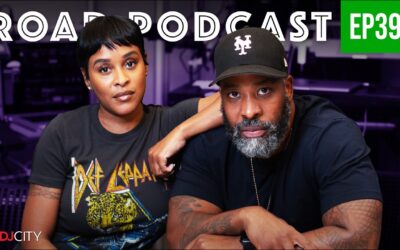
On this week's episode of @RoadPodcast, the crew welcomes @thatDJActress, @BeenBlackin, and @Snipsmusic. 4:20 The episode kicks off a deep dive into...
-
November 6, 2026
🆕 Must-Play Tracks by Lil Baby, GloRilla, Sexyy Red + more
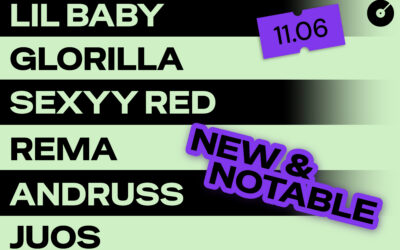
This week's notable adds on DJcity to power your weekend DJ sets 🔥 Download All Tracks This Week's Picks 01 HIP HOP Mr. Do Something Lil Baby 02 HIP HOP Ji...
-
October 13, 2026
Top Halloween Edits & Remixes of 2026
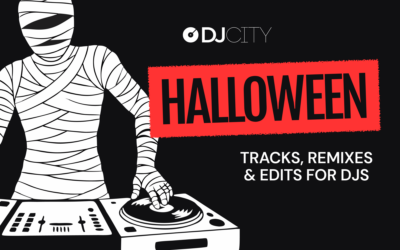
SPOOKIFY YOUR SETS Prepare your crates for the biggest party weekend of the year with the ultimate Halloween playlist from DJcity’s in-house production tea...
-
October 19, 2026
Serato fooled us all… The REAL 5.0 is Serato DJ for the iPhone and the iPad
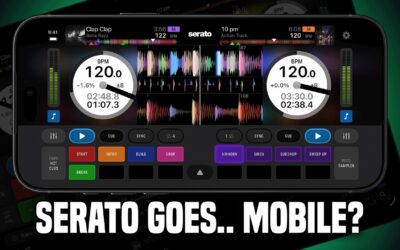
The public beta of Serato DJ Pro 5.0 seemed a touch underwhelming, considering the major version number. But it turns out, the real star of this rel...
-
October 21, 2026
Technics SL-1210MKX: WORLD EXCLUSIVE First Look

This year is the 55th anniversary of the 1200, and so it’s fitting that the company are launching a new model - the SL-1210MKX, which has been desig...
-
October 30, 2026
🆕 Must-Play Tracks by Cardi B, 21 Savage, Young Nudy + more
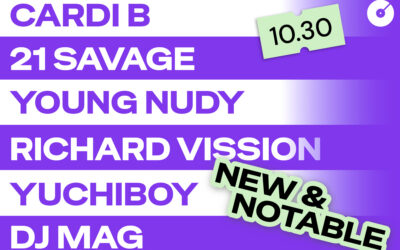
This week's notable adds on DJcity to power your weekend DJ sets 🔥 Download All Tracks This Week's Picks 01 LATIN COSITA Daddy Yankee & Cardi B 02 DANC...
-
May 23, 2023
The Best Remixes for Wedding DJs 2023

*** UPDATE: check out our updated 2024 and 2025 playlists! Wedding season has arrived! DJcity’s Remix Director Sir Marcus has put together a list of...
-
October 26, 2026
October 2026 Charts: Top Downloads By Region 📈

October 2026 Download Charts DJcity's monthly charts highlight the most popular tracks globally alongside regional breakdowns across key markets. Select a...
-
September 29, 2026
The Space Jam DJ Challenge Is Here 🚀

The Space Jam DJ Challenge Is Here: 30 Years Later, It’s Your Turn to Flip It It’s been 30 years since Space Jam hit theaters, and the iconic “Space Jam” t...
-
August 3, 2026
Meta Glasses + DJing = The Ultimate POV?
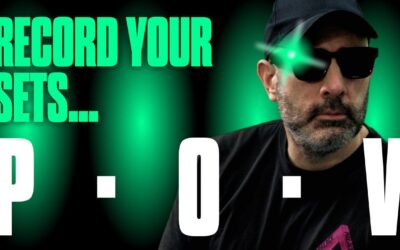
It’s always a challenge to capture great video clips of yourself DJing, without the assistance of someone else. So on the new episode of Beatport Te...